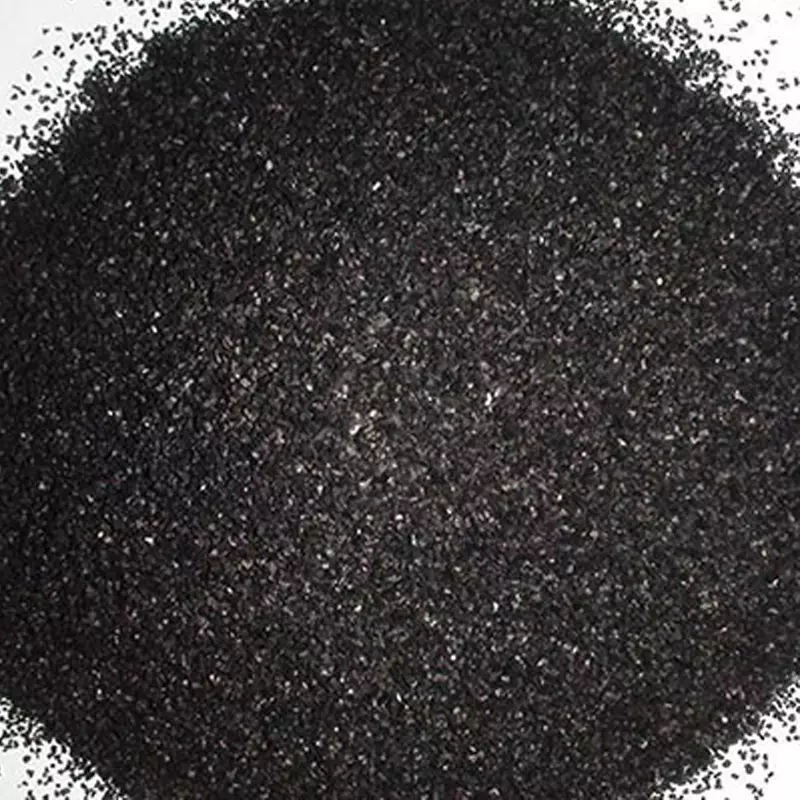
Coconut shell activated carbon is made from high-quality coconut shells through a series of sophisticated production processes. Coconut shell activated carbon appears black and granular. It features well-developed pores, excellent adsorption performance, high strength, easy regeneration, and economic durability.
The product is mainly used for the purification, decolorization, degassing and deodorization of drinking water, pure water, wine-making, beverages and industrial wastewater. It can also be used for the removal of mercaptans in the oil refining industry, etc.
The features and process flow of medical wastewater treatment equipment
As a major branch equipment in the sewage treatment industry, it plays a significant role in the hospital sewage field it is responsible for. As a populous country in the world, China has also become a major region for disease development. The discharge of hospital sewage is as rapid as the growth of the number of hospitals. Therefore, there is an urgent need for a sewage treatment system to end the harm caused by hospital sewage.
Features of medical wastewater treatment equipment
1. This equipment is buried underground, and the surface area can be used for greening, saving land for the hospital.
2. The hospital sewage treatment equipment is made of corrosion-resistant and anti-oxidation materials, with a long service life, which saves operating costs for the hospital.
3. Through the biological contact oxidation tank combined with layer-by-layer filtration and disinfection devices, the sewage treatment effect is excellent, solving the problem of pathogen transmission.
4. This equipment has a good deodorization effect, generates a small amount of sludge, and will not cause other pollution hazards to the environment.
5. Fully automatic control system, equipped with damage alarm system, no need for manual supervision, saving labor input. The treatment process flow of medical wastewater treatment equipment:
When hospital wastewater treatment equipment uses microbial methods to treat hospital sewage, since the wastewater often lacks the nutrients necessary for the growth of microorganisms, including organic matter, nitrogen, phosphorus, etc., the lacking nutrients need to be added to the wastewater.
2. The biological reactor of hospital wastewater treatment equipment is an anaerobic reaction system. Under anaerobic conditions, pathogenic microorganisms in hospital wastewater decompose organic matter and reduce sulfate to produce hydrogen sulfide. Hydrogen sulfide reacts with zinc ions in the wastewater to form insoluble zinc sulfide. The types of bioreactors can be upflow anaerobic sludge beds, anaerobic contact reactors, etc.
3. Although the removal rate of zinc ions in the effluent from the sedimentation tank is very high, the effluent still contains relatively high levels of COD and hydrogen sulfide. Therefore, aerobic treatment must be carried out to remove COD and hydrogen sulfide, so that the final effluent indicators all meet the national discharge standards.
Medical wastewater treatment equipment is mainly used for the management of hospital sewage. Hospital sewage refers to the wastewater discharged by hospitals (general hospitals, specialized hospitals and other types of hospitals) into the natural environment or urban pipelines. The main pollutants in these sewage are: pathogens (parasite eggs, pathogenic bacteria, viruses, etc.), organic matter, floating and suspended matter, radioactive pollutants, etc. The total number of bacteria in the untreated raw sewage is over 10^8 per mL, and it is a mixture of domestic sewage and hospital sewage. Hospital sewage treatment equipment is designed for these pollutants and mixed sewage.